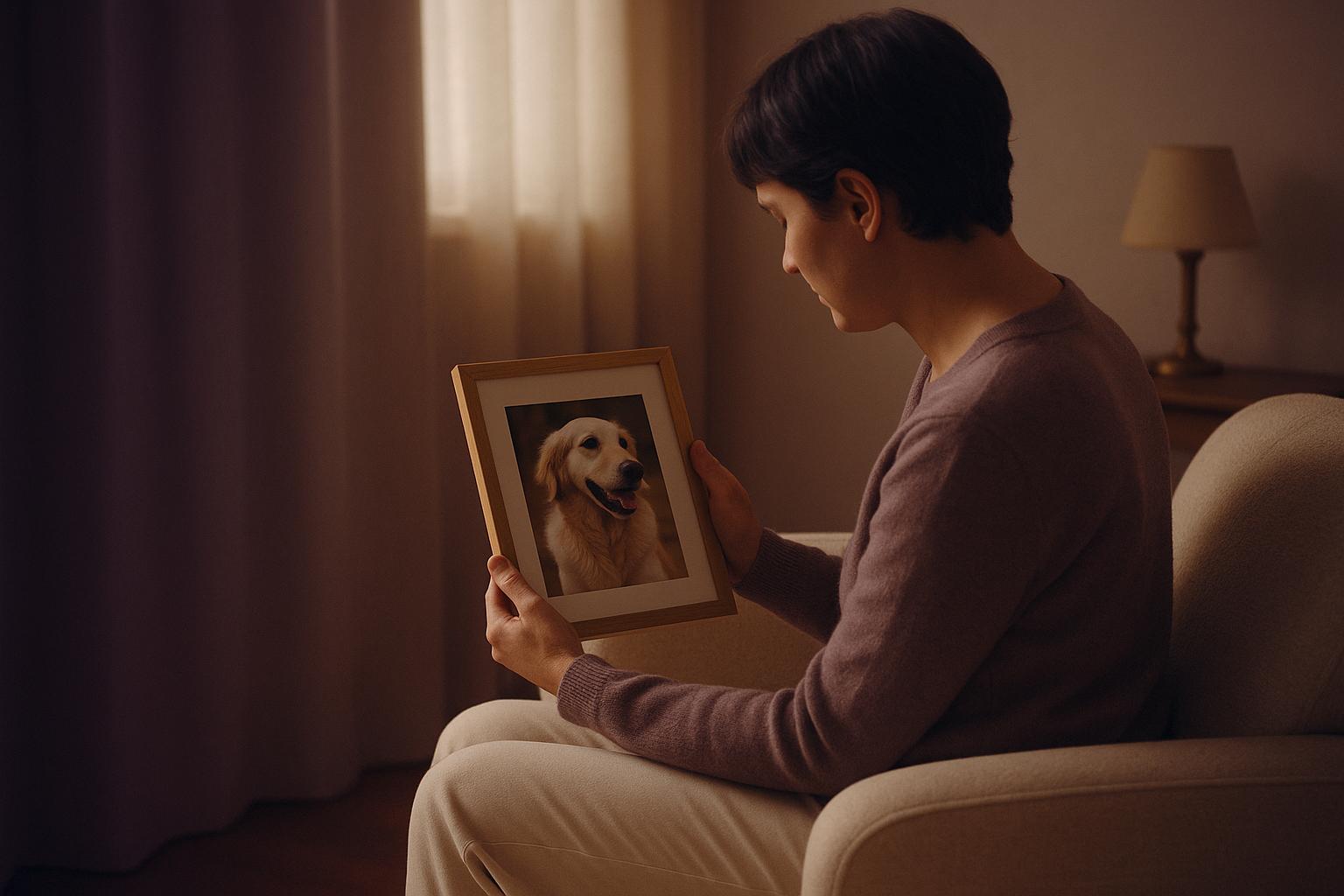
Use this grief checklist to manage the first days after pet loss, honor your dog, find support, and navigate grief with practical, calm guidance.
Guides18 min read
Losing a pet is heartbreaking. They're not just animals - they're family. Grief from pet loss can feel overwhelming, but it's important to acknowledge your emotions and take steps toward healing. This checklist offers practical guidance and emotional support to help you navigate this tough time. Here's a quick summary of the key steps:
Allow yourself to grieve: Take time to process your emotions without judgment.
Inform loved ones: Share your loss and ask for support.
Handle practical matters: Decide on arrangements for your pet’s remains.
Memorialize your pet: Create keepsakes, hold a ceremony, or donate in their memory.
Seek support: Join pet loss groups, talk to trusted friends, or consult professionals.
Adjust to life after loss: Manage emotional triggers and gradually rebuild routines.
Grieving has no set timeline. Honor your pet's memory in ways that feel meaningful to you and seek help if the burden feels too heavy to carry alone.
Losing your pet 💔 | tips for coping pet loss, disenfranchised grief | grieving your cat and dog
Immediate Actions: The First Days After Loss
Losing a pet can leave you feeling numb, overwhelmed, or consumed by sadness. During these first few days, it's important to take care of both your emotional well-being and the practical matters that follow. Give yourself permission to grieve, reach out to loved ones, and make decisions about your pet's remains with care and thoughtfulness.
☐ Allow Yourself to Grieve
Grief is a natural response to loss, and it's important to let yourself feel it fully. Set aside moments each day to reflect, cry, or look through cherished memories of your pet. You don't need to "stay strong" or suppress your emotions - feelings like guilt, anger, or confusion are all part of the process, and they're completely valid.
You might find it helpful to dedicate 15–20 minutes each morning or evening to focus on your grief. This can help you process your emotions without feeling the need to push them aside throughout the day. Remember, there’s no timeline for healing. Take the time you need, and don’t feel pressured to move on too quickly.
☐ Inform Family and Friends
Let the people close to you know about your loss. A quick call, text, or message can be enough to share the news and ask for support. For example, you might say: "I wanted to let you know that [pet's name] passed away yesterday. I'm heartbroken and could really use some support right now."
Be specific about what you need. If you’d like someone to sit with you, let them know. If you’d prefer some space but would appreciate messages or check-ins, say so. If you’re struggling with practical tasks - like shopping for groceries or caring for other pets - don’t hesitate to ask for help. Most people want to support you but may not know how unless you tell them.
If you have children, use simple, honest language to explain the loss. Avoid using euphemisms that might confuse them. Encourage them to share their feelings, ask questions, and take the time they need to process the situation in their own way.
☐ Make Decisions About Your Pet's Remains
One of the hardest tasks after losing a pet is deciding what to do with their remains. This decision often needs to be made quickly, which can feel overwhelming when you're already emotionally drained. Remember, there’s no "right" choice - only what feels most meaningful to you.
Options include cremation (either private or communal), home burial (be sure to check local regulations), pet cemeteries, or aquamation. Many services also offer keepsakes like paw prints, ink impressions, or fur clippings to help you preserve your pet’s memory.
If possible, take some time to weigh your options. Some veterinarians provide temporary storage, or if your pet passed at home, you might have a day or two to make arrangements. However, if you’re forced to make a quick decision, keep in mind that you can always create additional memorials later. The way you handle your pet’s remains doesn’t limit how you choose to honor them in the future.
If cost is a concern, ask your veterinary clinic or local animal welfare organizations about reduced-cost services or payment plans for aftercare. Many places offer resources to help during this difficult time.
Processing Grief and Emotions
After addressing the immediate tasks following your pet's passing, the journey of processing grief begins. Grief is unpredictable - it ebbs and flows, with some days offering a sense of relief while others bring back the sharp sting of loss. Moving through these emotions takes time, patience, and the right tools to guide you through the complex feelings that accompany the loss of a beloved pet.
Journal Your Feelings
Writing can be a deeply therapeutic way to process grief. A journal provides a private, safe space where you can pour out your emotions without fear of judgment. There are no rules - just let your thoughts flow freely.
Set aside 10–15 minutes each day to jot down your feelings, memories, or even regrets. If guilt surfaces, try responding to it on paper with the same compassion you'd offer a close friend. This practice can help you gain perspective and self-understanding.
Another meaningful exercise is writing letters to your pet. Imagine they could read them, and share the details of your day, things you wish you’d said, or simply express how much you miss them. This can help you maintain a sense of connection while navigating your loss.
Share Stories and Memories
Talking about your pet and revisiting cherished memories can bring comfort and healing. Sharing these moments not only honors your pet's life but also reinforces the bond you had with them.
"Reminiscing with others can be very comforting. Healing includes remembering good times and putting into perspective the importance of your animal's life." - Haley Etheridge, OTD, OTR/L [2]
Reach out to family or friends who knew your pet and invite them to share their favorite memories. You might hear stories you’ve never heard before - small moments that highlight the unique joy your pet brought to others.
Creating a photo album or digital tribute is another way to celebrate your pet's life. Sorting through pictures and stories can transform the ache of loss into gratitude for the time you shared. If you're active online, a heartfelt social media post can connect you with others who understand the pain of losing a pet. Even a simple photo and a few kind words can foster a sense of community and support.
For a more personal touch, consider hosting a small memorial with close friends or family. These gatherings provide a space to honor your pet and share memories, helping sustain what grief experts call a "continuing bond." This ongoing connection allows you to hold onto the love and joy your pet brought, even as you adjust to life without them [3].
Accept All Emotions
Grief is a rollercoaster of emotions, often shifting unexpectedly. One moment you might feel overwhelming sadness, and the next, guilt, anger, or even relief. All of these feelings are normal and valid.
Sadness is common, but you might also experience anger - whether directed at yourself, a veterinarian, or simply the circumstances. Guilt often surfaces, especially when reflecting on your pet’s final days, as you wonder if different choices could have changed the outcome. These feelings don’t diminish your love or the care you provided.
At times, you may feel numb or detached, only to have grief return with full force later. This ebb and flow is part of the mind’s way of managing pain. Healing doesn’t follow a straight path - you won’t simply feel better day by day until the grief is gone. Instead, emotions may come in waves, gradually becoming less intense and more manageable over time. Even after a period of calm, a memory or moment might bring back a deep sense of loss.
If your emotions ever feel too heavy to handle on your own - especially if you’re struggling with thoughts of self-harm or find daily life overwhelming - don’t hesitate to seek professional help. Grief counselors and therapists who specialize in pet loss can provide tools and strategies to help you navigate these feelings in a healthy, constructive way.
Memorializing Your Pet
Losing a pet is never easy, but finding ways to honor their memory can bring comfort and keep their spirit alive. Here are some thoughtful ways to create lasting tributes to your beloved companion.
Create Keepsakes
Keepsakes can be a beautiful way to keep your pet close to your heart while helping you navigate the grieving process. These mementos serve as tangible reminders of the joy your pet brought into your life.
Make a paw print mold using air-dry clay or a pet impression kit.
Wear personalized jewelry, like engraved pendants or custom portrait pieces, that incorporates your pet’s memory.
Frame a favorite photo or assemble a memory box filled with cherished items, such as toys, collars, or other keepsakes.
Opt for digital tributes, like custom portraits or photo books, to capture your pet’s unique personality and the moments you shared.
Establish Rituals
Creating personal rituals can help you process your grief while celebrating your pet’s life. These acts of remembrance can bring structure and comfort during difficult times.
Light a candle on meaningful dates to honor your pet’s memory.
Plant a tree or start a garden as a living tribute to your furry friend.
Host a memorial ceremony where friends and family can share stories and reflect on your pet’s impact.
Create annual traditions, like visiting your pet’s favorite spot or dedicating a day to remember the happy times you shared.
Support Pet-Related Causes
Giving back to the animal community is a meaningful way to honor your pet’s legacy while helping other animals in need.
Donate to local animal shelters, rescue groups, or veterinary care funds in your pet’s name. Many organizations will acknowledge your contribution as a tribute to your pet.
Volunteer at animal shelters, foster pets in need, or help out at adoption events to extend the love you felt for your pet to animals who need it most.
Sponsor an animal at a sanctuary or rescue. Your sponsorship can help cover essentials like food and medical care while keeping your pet’s memory alive.
Organize or participate in fundraisers, such as charity walks or donation drives, to unite with fellow animal lovers and make a positive impact in your pet’s honor.
Memorializing your pet is a deeply personal journey. Whether through keepsakes, rituals, or acts of kindness, these gestures allow you to celebrate the bond you shared and ensure their memory lives on.
sbb-itb-4671d2f
Building a Support Network
After honoring your pet's memory, the next step is finding connections that can support you through the healing process.
Grieving the loss of a pet can feel incredibly lonely, especially if those around you don’t fully understand the depth of your pain. But connecting with others who share or empathize with your experience can be immensely comforting. A strong support network can help you process your emotions, ease the weight of grief, and remind you that you're not alone.
☐ Join Pet Loss Support Groups
Pet loss support groups provide a welcoming space where you can share your feelings with others who truly understand the bond you had with your pet.
"Pet loss support groups validate this grief, helping individuals understand that their feelings are normal and that they are not alone in their pain." - Withlovegilbert [11]
Many organizations across the United States offer free virtual support groups that you can join from anywhere. Groups like Lap of Love and the Association for Pet Loss and Bereavement (APLB) host virtual meetings and chat rooms, connecting grieving pet owners in meaningful ways [4][7][8].
"Support groups are a place where family members will meet others who understand what they're going through, as many times your own family and friends may not completely understand your grief." - Lap of Love [12]
Participating in these groups offers more than just emotional relief. You’ll also learn practical ways to cope, hear how others have managed similar losses, and possibly form lasting connections with people who truly get what you're going through. Many group members find that these interactions help reduce feelings of isolation and provide a sense of understanding that’s hard to find elsewhere [13][14].
While support groups are invaluable, don’t hesitate to lean on friends, family, or professionals for additional help.
☐ Reach Out to Trusted Friends or Family
Support groups can offer unique understanding, but the comfort of friends and family shouldn’t be underestimated. Even if they haven’t experienced pet loss themselves, loved ones can provide a safe space to talk, help with daily tasks, or simply sit with you during tough moments.
It’s important to communicate your needs clearly. Some people might not fully grasp the depth of your grief unless you explain it. Let them know if you need someone to listen while you share memories of your pet, assistance with household responsibilities, or regular check-ins to ensure you’re doing okay.
If someone dismisses your feelings or suggests you "move on", it’s okay to set boundaries. Focus your energy on those who respect your emotions and offer genuine compassion. Losing a pet is a profound loss, and you deserve support from people who acknowledge that.
☐ Consult Professional Grief Resources
Sometimes, the weight of grief might feel too heavy to carry alone. In these moments, professional guidance can make a difference. Pet loss counselors and therapists who specialize in this kind of bereavement can provide tools and strategies tailored to your situation. They understand the unique pain of losing a pet and will never minimize your feelings.
Professional help can be particularly beneficial if grief is interfering with your daily life, if you’re dealing with symptoms of depression or anxiety, or if you’re struggling with complex emotions like guilt or regret. Many therapists now offer virtual sessions, making it easier to seek help from the comfort of your home.
When searching for support, look for mental health professionals who specifically mention experience with pet loss or the human-animal bond. Some veterinary schools and animal welfare organizations maintain referral lists of counselors who specialize in this area. Building a diverse support network - whether through friends, family, groups, or professionals - ensures you have the strength and resources to navigate your grief. You don’t have to face this journey alone.
Adjusting to Life After Loss
When dealing with the loss of a beloved pet, the next step after securing support is learning how to adapt to a life that feels so different without them. This process calls for patience, kindness toward yourself, and practical adjustments to your daily routine. It's not just about filling the void but also about finding meaningful ways to honor their memory while moving forward. Here are some steps to help you navigate this challenging transition.
Manage Emotional Triggers
Grief often resurfaces in unexpected ways - certain sounds, familiar routines, or even specific places can bring back a wave of sadness, sometimes months after the loss [3][17]. Adjusting your habits, like changing your walking route or shifting mealtimes, can help you handle these triggers. The goal isn’t to avoid every reminder of your pet but to strike a balance that allows you to cherish their memory without overwhelming your emotions.
Ease Back Into Daily Life
Rebuilding your daily routine can feel daunting, so start small. Focus on manageable tasks that reintroduce structure into your life. Gradually creating new routines that reflect your current reality can help you regain a sense of normalcy, one step at a time.
Redirect Your Energy
The love and care you once poured into your pet can now be channeled into new activities or passions. Whether it’s volunteering, picking up a hobby, or simply spending more time with loved ones, these efforts can help fill the space in your life while keeping your pet’s memory close [15][16][18].
Adapting to life after loss is a deeply personal journey, and there’s no right or wrong way to go about it. Give yourself the grace to move at your own pace, embracing both the pain of loss and the enduring love that remains.
Resources for Continued Support
You're not alone in this journey. Across the U.S., there are compassionate communities, dedicated volunteers, and trained listeners ready to provide support.
☐ Hotlines and Support Services
If you're feeling overwhelmed by grief, reaching out to someone who understands can make all the difference. Many universities and organizations offer pet loss support hotlines, often staffed by veterinary students who are trained to help and have experienced loss themselves[1].
Cornell College of Veterinary Medicine Pet Loss Support Hotline: (607-218-7457) – Available Mondays and Wednesdays, 6–9 p.m. EST, with trained veterinary students on the line[1].
C.A.R.E.-Illinois State Veterinary Medical Association Pet Loss Support Hotline: Open Sundays, Tuesdays, and Thursdays, 7–9 p.m. Central Time[1].
Tufts University Cummings School of Veterinary Medicine Pet Loss Support Hotline: (508-839-7966) – Operating Mondays through Thursdays, 6–9 p.m. EST, with a 24-hour voicemail option[1].
24/7 Pet Grief Support Hotline: (1-855-245-8214) – Provides round-the-clock assistance[19].
ASPCA Pet Loss Hotline: (800-946-4646, pin #140-7211) – A 24-hour service with callback support[20].
Virginia-Maryland Regional College of Veterinary Medicine Pet Loss Support Hotline: (540-231-8038) – Open Tuesdays and Thursdays, 6–9 p.m. EST[1].
Iowa State University Pet Loss Support Hotline: (888-478-7574) – Available weekdays, 6–9 p.m. CST[20].
Lap of Love Pet Loss & Bereavement Support: (855-352-5683) – Offers phone support, Zoom support groups for various types of grief, and a pet loss course[1].
It's important to note that these hotlines focus on grief support and are not substitutes for professional mental health care. If you're dealing with severe depression or thoughts of self-harm, please contact a mental health professional or a crisis intervention service immediately.
In addition to phone support, there are educational tools to guide you through the grieving process.
☐ Books and Educational Materials
Books can be a source of comfort and practical advice during difficult times. One such resource is To Lose A Dog by Isaac H, which explores the author’s bond with his English Bulldog, Franki. The book provides science-backed advice on pet care, grief, and making end-of-life decisions. The hardcover is available for pre-order at $22 (a $6 discount) and includes access to a private support community, with shipping set for Q1 2026.
Beyond memoirs, there are many educational materials that delve into the grieving process, the profound connection between humans and animals, and strategies for coping. These resources serve as a reminder that your feelings are valid and shared by many others.
These tools can also complement the support found in online communities.
☐ Online Communities and Forums
Sometimes, connecting with others who’ve experienced similar losses can bring incredible comfort. Online communities offer safe spaces where you can share your story, learn from others, and find solidarity in your grief.
Grief Healing: Features a list of pet loss helplines and virtual support groups to help you connect with others going through similar experiences[5].
The Pet Loss Support Page: Provides a directory of hotlines and grief-related resources[5].
PetLoss.com: Offers a 24/7 chat volunteer service - check their website for current availability[7].
These communities remind you that you’re not alone, offering understanding and support from those who truly get it.
Conclusion: Moving Through Grief
☐ Review of Key Steps
This guide has walked you through some essential steps for coping with the loss of your pet, honoring their memory, and finding support as you navigate this difficult time. You’ve learned to give yourself permission to grieve, share your loss with others, and make thoughtful decisions regarding your pet’s remains. You’ve explored ways to process emotions, whether through journaling, sharing memories, or simply allowing yourself to feel everything that comes up. We’ve also touched on meaningful ways to commemorate your pet - through keepsakes, rituals, or supporting causes that resonate with your connection to them. Building a support network, reaching out to understanding friends, and seeking professional help when needed are also part of this journey. And finally, you’ve taken steps toward adjusting to life without your pet, learning to manage triggers, and finding new ways to honor the space they once filled.
Each of these steps is more than just a task - it’s a small but meaningful move toward healing. You might have already checked off some of these steps, while others could take more time to feel ready for. Wherever you are in this process, let the love and memories of your pet guide you forward.
☐ Final Words of Encouragement
Healing is not something that happens overnight - it’s a gradual and deeply personal journey. There’s no set timeline for grief, and everyone experiences it differently. Over time, the sharp edges of sadness, guilt, or anger will soften, though the path forward may not always feel linear. It’s normal to have good days followed by moments of overwhelming emotion. This ebb and flow is all part of the process.
Give yourself permission to heal at your own pace, without comparing your journey to anyone else’s. Your bond with your pet was one-of-a-kind, and so too will be your way of moving through grief. Moving forward doesn’t mean you’re leaving them behind - it’s about carrying their love with you in a new way. You’ll know when you’re ready to take that next step.
Be honest with yourself about what you’re feeling, and find healthy ways to express those emotions. Healing doesn’t mean forgetting - it means learning to live with the love and joy your pet brought into your life. Take your time with big decisions, like adopting another pet, until you feel truly ready.
If grief feels too overwhelming or disrupts your daily life for an extended period, don’t hesitate to seek professional help. Your pet brought so much happiness into your life, and honoring their memory means giving yourself the grace to heal. Be kind to yourself, take it one day at a time, and remember that while the pain of loss may fade, the love you shared will always remain.
FAQs
How can I help my child understand and cope with the loss of a pet?
When talking to your child about the loss of a pet, be straightforward and use language that’s easy for them to understand based on their age. Let them know it’s okay to ask questions and share how they’re feeling. As they open up, be sure to listen with patience and compassion.
Finding ways to involve your child in honoring your pet can make a big difference in how they cope. This could mean creating a keepsake, drawing pictures, writing a letter to the pet, or even holding a small family memorial. These activities can help them process their emotions and provide a sense of closure.
It’s also important to remind them that feeling sad is a normal part of saying goodbye. Let them know you’re there to support them through whatever emotions they’re experiencing. Every child handles loss in their own way, so give them the time and space they need to heal.
What are some meaningful ways to honor my pet’s memory while coping with their loss?
Honoring the memory of your pet can be a comforting and meaningful way to navigate the grieving process. You might consider creating a special keepsake, like a paw print mold, a framed photo, or even a piece of custom jewelry that reminds you of them. Planting a memorial garden or dedicating a tree in their name can serve as a beautiful and lasting tribute.
Another idea is to write a heartfelt letter or obituary that celebrates the unique life they lived and the joy they brought to yours. Some people find comfort in setting aside a particular day each year to reflect on their pet and the memories they shared. Donating to an animal-related cause in their honor is another thoughtful gesture - one that not only keeps their memory alive but also helps other animals in need. These simple yet meaningful acts can help you cherish the bond you shared and keep their spirit close.
How do I know when it’s the right time to adopt another pet after losing one?
Deciding to bring another pet into your life is a personal journey, and it’s essential to allow yourself the time to grieve and process the loss of your previous companion. Every pet holds a special place in your heart, and adopting a new one isn’t about replacing the one you’ve lost - it’s about being ready to welcome a new bond when the time feels right.
Take a moment to assess your emotions and current situation. Are you in a place where you can provide the love and care a new pet deserves? Does your daily routine support the responsibilities that come with pet ownership? There’s no rulebook for this - whether it takes weeks, months, or longer, it’s all about finding the moment that feels right for you.
Frequently Asked Questions
Is it normal to feel guilty after a pet dies, even if I did everything I could?
Guilt is one of the most common emotions in pet loss grief, and it surfaces even for owners who provided exceptional care. The mind naturally replays final decisions and last moments, searching for what could have been different — this is a normal part of grief, not evidence that you failed your dog.
How do I handle people who say 'it's just a dog' when I'm grieving?
Social dismissal of pet grief — sometimes called disenfranchised grief — is common but not a reflection of reality; research on the human-animal bond confirms that losing a dog can trigger the same neurological and emotional responses as losing a close human companion. You are allowed to set boundaries with people who minimize your loss and to seek support from communities, hotlines, or counselors who treat it as the real bereavement it is.
How do I know if my grief after losing a dog has become complicated grief that needs professional help?
If intense grief persists for many months, significantly disrupts your ability to work, eat, sleep, or maintain relationships, or brings thoughts of self-harm, that's a signal to seek a mental health professional who specializes in bereavement or the human-animal bond — not a sign of weakness. Several veterinary schools and organizations like Lap of Love maintain referral lists of counselors with specific pet-loss expertise.
What can I actually say or do for a friend who just lost their dog?
The most helpful thing is to name the loss directly — say the dog's name, acknowledge the specific bond — rather than offering generic comfort like 'they're in a better place.' Concrete offers of help (bringing food, sitting with them, sharing a memory of their dog) land far better than open-ended 'let me know if you need anything,' because grief makes it hard to ask.
How do I cope with grief triggers like my dog's empty bed, leash, or usual walk route?
Grief triggers are unpredictable and can resurface months after the loss; this is neurologically normal, not a sign that something is wrong with your healing. Rather than forcing yourself to remove reminders immediately, you can choose your own pace — some people find comfort in keeping objects in place for a while, while others need to reorganize their space early on — and gradually build new routines around the gaps your dog once filled.
Reserve the paperback at the pre-order price, with clear shipping and cancellation terms.
Pre-order price: $24.99 (save $5 off retail price)
First copies out of the print run, estimated to ship December 2026, shipped directly to you
Email updates on the book's progress until it reaches you
$24.99$29.99
Save $5
Charged today · Cancel any time before it ships
US shipping is $4.90. Other countries are calculated at checkout.
Estimated to ship December 2026US shipping is $4.90. Other countries are calculated at checkout.
Not today?
If the timing is wrong, or you are buying for someone who is not ready yet, leave your email. I will write once, when copies start shipping, and that is the only time you will hear from me.