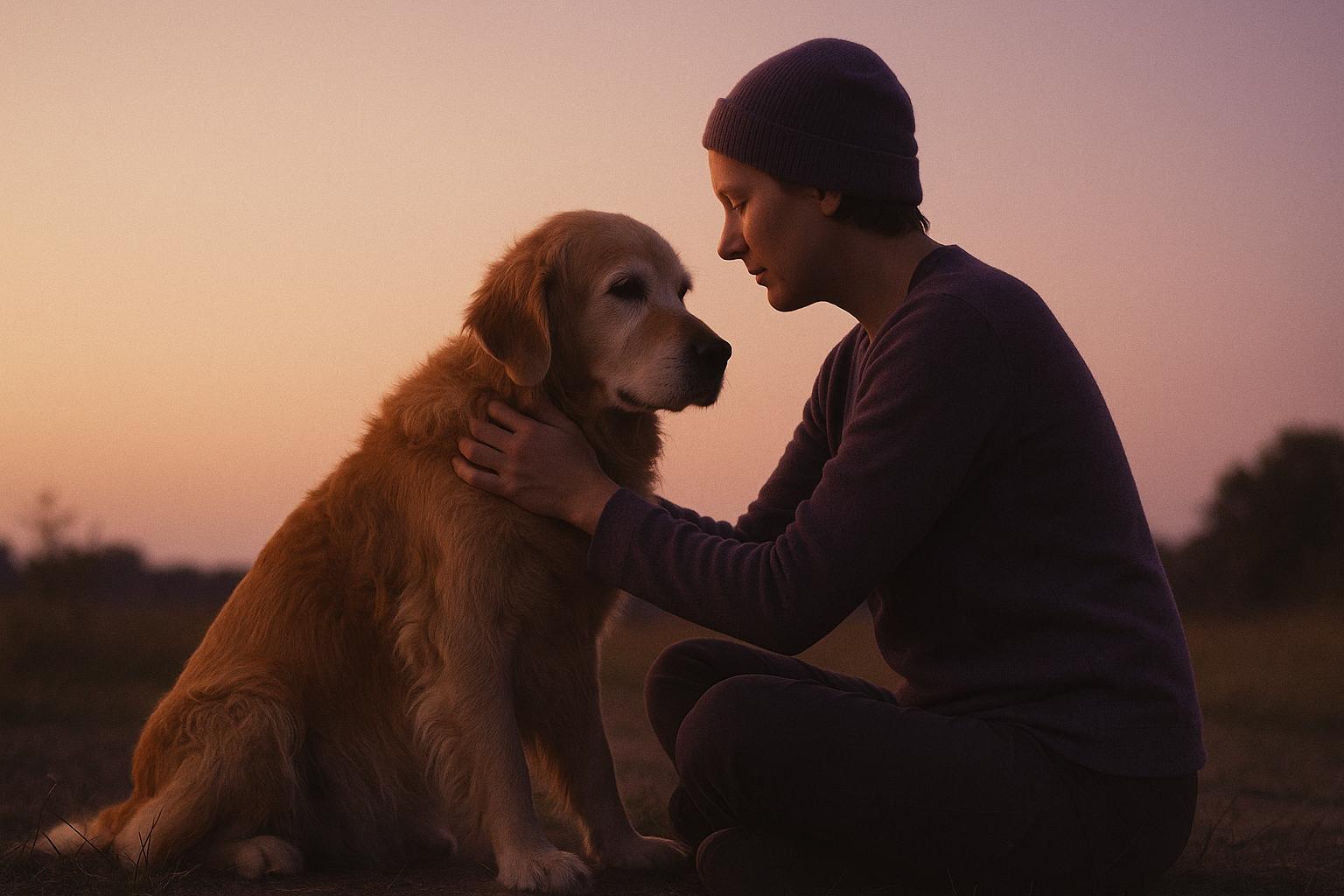
Learn how to say goodbye to your dying dog with calm, practical guidance on end-of-life decisions, final moments, and grief support.
How-to14 min read
Saying goodbye to a dog is one of the hardest parts of being a pet owner. This guide helps you navigate this emotional time by covering:
Recognizing the signs that your dog’s life is nearing its end.
Making decisions about end-of-life care, including euthanasia options.
Preparing emotionally and practically for their final days.
Cherishing final moments through comforting activities and quality time.
Supporting family members, including children, through the process.
Coping with grief and honoring your dog’s memory after their passing.
The focus is on ensuring your dog’s last days are peaceful and filled with love while helping you and your family process this loss with dignity and care.
5 End-of-Life Tips That Made Saying Goodbye to My Dog More Peaceful 💔
Knowing When the End Is Near
Recognizing when your dog is nearing the end of their life takes careful observation. Both physical and behavioral changes can provide important clues that their body is slowing down.
Here’s what to look for and how to evaluate your dog’s condition.
Physical and Behavioral Changes
Pay attention to noticeable shifts in your dog’s daily habits. A reduced appetite, trouble moving around, or changes in breathing patterns can all be signs. Mobility issues might include difficulty standing, walking, climbing stairs, or hesitating to jump. An unsteady walk or stumbling may also occur. Breathing changes, like labored breaths or unusual panting (when they’re not overheated or excited), could hint at heart or lung problems. Incontinence may also develop as muscle control weakens.
On the behavioral side, some dogs may withdraw, seeking solitude in quiet corners rather than joining family activities. Others might do the opposite, becoming more dependent and staying close to you. Confusion in familiar surroundings is another potential sign. These shifts are often part of the natural aging process and indicate that the end of life may be approaching.
To better understand your dog’s condition, structured tools can help.
Using Quality of Life Assessments
Quality of life assessments [1] provide a framework to evaluate your dog’s physical comfort, mental state, and overall behavior. These tools can help you assess pain levels, signs of decline, and their general well-being.
Consulting Your Veterinarian
Your veterinarian can be a key partner during this emotional time. They can review your observations, guide you on managing pain, and help with end-of-life decisions, including when euthanasia might be the most compassionate choice. Their expertise ensures your dog receives care and comfort during their final days.
Getting Ready Emotionally and Practically
When you realize your dog’s time is nearing its end, it’s important to prepare both emotionally and practically. This preparation helps ensure a peaceful and meaningful farewell for everyone involved.
Family Discussions and Emotional Readiness
Open conversations with your family are key to navigating this emotional time. Everyone processes grief differently - some may want to spend every moment with your dog, while others might need space to process their feelings. Starting these discussions early can make a big difference.
It’s especially important to talk openly with children, offering honest and age-appropriate explanations about what’s happening. Encourage them to ask questions and share their feelings. Some family members might want to be present during the euthanasia process, while others may prefer to say goodbye beforehand. These conversations can help everyone feel more prepared.
As part of these discussions, consider plans for final arrangements together. Sorting out these details ahead of time can reduce stress and ensure everyone’s wishes are respected.
Once these emotional preparations are in place, focus on creating a comforting environment for your dog.
Creating a Comfortable Space
Set up a quiet, familiar area where your dog can rest peacefully. This might be a favorite spot in your home or a place that’s easy for them to access, especially if mobility is a concern.
Add comforting items like their favorite blanket, bed, or toys. Familiar smells and surroundings can offer a sense of security during their final days, helping to ease any anxiety they may feel.
Euthanasia: Home vs. Clinic
Deciding between at-home and in-clinic euthanasia is a deeply personal choice, and it’s important to prioritize your pet’s comfort as well as your family’s emotional needs. Planning ahead allows you to weigh the options and make an informed decision without the pressure of an emergency situation.
Factor
At-Home Euthanasia
In-Clinic Euthanasia
Comfort Level
Familiar surroundings, no travel stress
May be stressful for anxious pets, but familiar for those used to vet visits
Privacy
Complete privacy with family
Less private, though many clinics offer special goodbye rooms
Cost
$200–$1,000 in the US, generally higher due to travel and personalized service [4][5]
Typically more affordable than home visits
Scheduling
Requires advance planning, longer lead times
Often more readily available, even in emergencies
Emotional Support
Flexible timing in your own space
Professional staff available, but time may be limited
Personalization
Full control over environment, music, and lighting
Limited personalization; bring familiar items to ease the transition [2][3]
Your dog’s personality can guide this decision. A shy or anxious pet might feel more at ease at home, while a dog accustomed to vet visits may not find the clinic stressful. If you choose a clinic, ask if they have a dedicated room for goodbyes, and consider bringing personal items like their blanket or favorite treats to make the experience more comforting.
Consult your veterinarian to determine the best option for your dog. Both choices are designed to provide a peaceful and dignified farewell, minimizing stress for your pet and your family [3].
Making Final Moments Special
Once the practical arrangements are in place, it’s time to focus on cherishing the time you have left with your dog. These moments are an opportunity to create lasting memories that can ease the pain of loss and bring comfort during their final days.
Building a Bucket List
Think about simple, gentle activities your dog enjoys. This could mean offering their favorite treats, taking a short walk in a familiar place, or even a peaceful car ride to a spot they love. The key is to keep these outings calm and brief.
Short, easy walks can be meaningful if your dog is still able to move around. Whether it’s a stroll around the block, a few minutes in the yard, or sitting together on the porch, these moments allow your dog to take in familiar sights and smells while spending time with you.
Car rides are a great option for dogs who may not have the energy to walk but still enjoy being out and about. A drive to a park where you used to play, past the home of a favorite friend, or even just around the neighborhood can bring them comfort and joy.
For some dogs, visits from special people - family members, neighbors, or friends they’ve bonded with - can be incredibly comforting. Keep these visits short and calm, ensuring your dog has time to rest afterward.
These small gestures create opportunities for quiet, meaningful time together.
Spending Quality Time
Your presence is the most reassuring gift you can give your dog. Dogs are deeply attuned to our emotions, so staying calm and grounded can help them feel safe and secure during this time.
Gentle physical touch can soothe and comfort your dog. Softly pet them in their favorite spots, give a light massage along their back or behind their ears, or simply rest your hand on their body. Pay attention to their reactions and adjust based on what feels best for them.
Speaking in a calm, loving voice can also provide comfort. Share cherished memories, tell them how much they mean to you, or just talk about your day. Even if they seem less responsive, the sound of your voice can be a source of peace.
Sometimes, quiet companionship is all they need. Sitting nearby while you read, work, or simply relax allows your dog to feel your presence without the pressure to interact. Many dogs spend much of their final days sleeping, and knowing you’re close by brings them a sense of safety.
Creating a soothing environment with dim lighting and soft music can also help your dog feel more at ease.
Involving Children and Family
Including your family in these moments can deepen the bond you all share and create meaningful memories of your pet’s love. Tailor activities to each family member’s age and way of coping. Younger children might enjoy drawing pictures or reading a story about your dog, while older kids could help with photo albums, write letters, or even create a digital tribute.
Show your emotions openly to model healthy ways of expressing grief. It’s okay to cry, share your sadness, or talk about how much you’ll miss your dog. Children learn how to process difficult feelings by observing how adults handle them.
Encourage open communication and be ready for questions. Children may ask about death, pain, or what happens next. Answer honestly and in a way they can understand. If you don’t know the answer, it’s okay to admit it.
Respect each person’s comfort level. Some children may want to be present during euthanasia, while others may prefer to say goodbye earlier. There’s no right or wrong choice - what matters is supporting everyone’s emotional needs.
Consider creating family rituals to honor your dog. Share favorite memories, look through old photos, or take turns expressing gratitude for the joy your pet brought into your lives. These shared moments can help everyone process their grief while celebrating the love you’ve all experienced together.
sbb-itb-4671d2f
Dealing with Anticipatory Grief
Realizing your dog's time with you is limited can bring on waves of sadness, anxiety, and emotional fatigue. It's not unusual to begin mourning even before your pet has passed.
Understanding Anticipatory Grief
Anticipatory grief is the emotional preparation for an impending loss. It might show up as sudden tears, bursts of anger, or an overwhelming sense of sadness. These feelings are a reflection of the deep connection you share with your dog.
You may also notice physical signs - trouble sleeping, changes in appetite, low energy, headaches, or muscle tension. The stress of facing such a loss can weigh heavily. On top of that, making tough decisions about your pet's care might bring feelings of guilt. This emotional whirlwind is a testament to the love and bond you have with your furry companion.
Seeking Support
When emotions feel too heavy to carry alone, reaching out for support can make a difference. Talking to a pet loss counselor can provide guidance and comfort. Many animal hospitals and veterinary schools can help you find professionals who specialize in this area. Additionally, local veterinary clinics or community centers often host support groups where you can share your experience with others who truly understand.
For those who prefer online resources, virtual communities are available anytime, offering advice and shared experiences. The memoir To Lose A Dog by Isaac H is another resource, offering heartfelt reflections and practical tips. Pre-ordering the hardcover even grants access to a private grief support group, designed to help during this difficult time.
Honoring Your Bond
Finding ways to honor the bond you share with your dog can bring comfort and healing. A digital photo book filled with cherished moments can help you focus on the joy your pet has brought into your life.
Writing can also be a powerful outlet. You might write a letter to your dog, expressing gratitude, recalling favorite memories, and sharing how much they’ve impacted your life. Or, keep a journal to capture your thoughts and emotions during this period.
Another way to preserve your pet's memory is by creating a memory box. Fill it with meaningful items like their favorite toy, collar, or photos - objects that remind you of their unique spirit. A paw print keepsake, made with pet-safe clay, can also serve as a lasting reminder of the love you shared.
Including your dog in some of these activities can deepen the connection and provide comfort as you navigate this emotional time. These personal tributes not only help you process your grief but also create lasting memories to cherish as you prepare for the next chapter of honoring your beloved pet.
After Your Dog's Passing: What to Do Next
Losing a dog is a deeply emotional experience, and the steps that follow can feel overwhelming. Balancing practical decisions with your own emotional needs is important during this time. Knowing what to expect and how to proceed can offer some clarity as you navigate this difficult chapter.
What to Expect Physically
After your dog passes, you may notice certain physical changes in their body. Muscle relaxation can lead to a release of bodily fluids, their body temperature will begin to drop, and rigor mortis may set in within hours, depending on factors like size and environment. Some dogs may also exhibit involuntary muscle twitches - these are natural reflexes of the nervous system and not a sign of life.
If your dog passes at home, it’s okay to take some time to say your goodbyes before moving forward with aftercare arrangements. Understanding these physical changes can help you focus on honoring your pet’s memory with dignity.
Handling Aftercare Arrangements
Deciding how to handle your dog’s remains is a very personal choice, and there’s no one “correct” way to proceed. Many pet owners opt for cremation, which can be done communally or privately. Costs and services will vary depending on the provider and location. If you prefer to bury your dog at home, make sure to check local regulations regarding burial depth and placement. Another option is a pet cemetery, which provides a permanent resting place but may come with additional costs and considerations.
Take the time you need to make arrangements that feel right for you. If your dog passes on a weekend or holiday, keep in mind that some services might not be immediately available. This process is an important part of preserving your pet’s legacy and the memories you’ve shared.
Allowing Space to Grieve
The loss of a dog can bring about a wide range of emotions. Some people feel immediate sadness, while others might experience numbness or even relief if their pet had been suffering. Grieving is a personal journey, and there’s no "right" way to feel.
You might notice physical symptoms of grief, like fatigue, changes in appetite, or trouble sleeping. It’s important to give yourself permission to grieve and to prioritize self-care during this time. Adjusting to life without your dog can be tough - daily routines like walks or feeding times may feel especially empty. Some find comfort in maintaining these routines, while others prefer to take things slowly. Do what feels best for you.
Friends and family may mean well, but their comments can sometimes unintentionally downplay your loss. Remember, your feelings are valid, no matter what others say. If you need extra support, consider reaching out to grief resources, such as the private grief support community referenced in To Lose A Dog by Isaac H. Connecting with others who understand your experience can be incredibly helpful.
If you think taking time off work would help you process your loss, keep in mind that many employers acknowledge pet bereavement as a legitimate reason for leave. Even a day or two can give you the space you need to begin healing.
Everyday items like your dog’s favorite bed, toys, or food bowls can stir up a mix of emotions. For some, these items offer comfort; for others, they may be painful reminders. Whether you choose to keep them around for a while or store them away, follow what feels right for your healing process.
Conclusion: Remembering the Love and Legacy of Your Dog
Saying goodbye to a beloved dog is never easy. But with compassion and thoughtful preparation, those final moments can be meaningful and filled with love. This farewell isn’t just about an ending - it’s about celebrating the legacy of unconditional love they leave behind.
The bond you shared with your dog was one-of-a-kind. Every walk, every quiet moment, and every bit of joy they brought into your life becomes part of a collection of memories that stay with you. Even after their passing, these moments don’t fade - they become treasures you carry in your heart.
Your dog’s love shaped you in ways that will last a lifetime. From teaching you the joy of life’s simplest pleasures to showing you the true meaning of loyalty and acceptance, their lessons remain a part of who you are. Whether it was a wagging tail during a morning walk or their comforting presence on a tough day, their impact is something you’ll always hold close.
Grieving is a natural expression of the deep connection you shared. Take the time you need to heal - there’s no set timeline. Healing doesn’t mean letting go of their memory; it means finding a new way to carry their love with you.
The choices you make to honor their memory reflect the care and devotion you always showed them. These actions ensure their legacy is preserved with dignity and respect.
As you look back on your time together, remember that their spirit lives on - not just in your memories, but in the way their love and lessons continue to shape your life. Their legacy is woven into who you are, and their presence endures in every cherished moment you shared.
FAQs
How can I help my children cope when our dog is nearing the end of its life?
To support your children during this difficult time, be open and honest while using language they can understand. Steer clear of phrases like "put to sleep", as they can be confusing, and instead explain the situation clearly but with kindness. Encourage them to express their feelings, and don't shy away from showing your own emotions - it helps them understand that grieving is a natural part of life.
You can also involve them in meaningful ways to say goodbye. This might include writing a letter, drawing a picture, or creating a special memory together. Simple rituals, like making a memory box or holding a small ceremony, can offer comfort and a sense of closure. Remember to be patient with their emotions, as everyone experiences grief in their own way. If needed, don't hesitate to reach out for professional support to help them navigate their feelings.
What should I consider when choosing between at-home and in-clinic euthanasia for my dog?
When choosing between at-home and in-clinic euthanasia, it’s important to think about your dog’s comfort, your emotional well-being, and practical considerations.
At-home euthanasia offers the chance for your dog to stay in a familiar and calm environment. This can help reduce anxiety and create a more personal and peaceful goodbye. It’s often a good choice for pets who feel uneasy at the vet or get stressed in new surroundings.
On the flip side, in-clinic euthanasia provides access to a full medical team and specialized equipment, which can be crucial if your pet is critically ill or requires immediate medical attention. Clinics also tend to have a structured process, which some families may find comforting during such a difficult time.
Other things to think about include your dog’s personality, what your family prefers, and the costs involved - at-home services are typically more expensive. Ultimately, the decision should align with what feels most compassionate for your dog and what suits your personal situation.
What are some thoughtful ways to remember and honor my dog after they’ve passed?
Losing a cherished dog is one of the hardest experiences, but there are heartfelt ways to honor their memory and keep them close in spirit.
You could create a special tribute, like planting a tree in their honor or setting up a small space in your home with their photo, collar, or favorite toy. Keepsakes such as paw print jewelry or custom portraits can also serve as touching reminders of your bond. Some people choose to write an obituary to celebrate their pet’s unique story or even get a small tattoo as a lasting symbol of their love.
Marking meaningful dates, like their birthday or the anniversary of their passing, can also be a way to celebrate their life. Another idea is to give back by donating to an animal charity in their name or volunteering to help other animals in need. These acts not only honor your dog’s memory but also bring a sense of comfort and purpose during a difficult time.
Frequently Asked Questions
How do I know if my dog is in pain or just slowing down from old age?
Pain in dogs often shows up as changes in posture, reluctance to be touched in certain areas, altered breathing, restlessness, or withdrawal from family. A quality-of-life assessment tool, used alongside a veterinarian's evaluation, can help you distinguish normal aging decline from active suffering and guide decisions about comfort care.
Is it normal to feel guilty after choosing euthanasia for my dog?
Guilt after euthanasia is one of the most common responses owners report, even when the decision was clearly the kindest one available. That guilt often reflects the depth of care you brought to the relationship, not a failure — and it tends to ease over time, especially when you can trace the decision back to your dog's comfort rather than convenience.
What do I do in the hours right after my dog dies at home?
You can take as much time as you need to sit with your dog before contacting a veterinarian or aftercare service — there is no requirement to act immediately. When you are ready, your vet can advise on cremation, burial, or a pet cemetery, and can also refer you to grief support if the loss feels unmanageable on your own.
How do I respond when people say 'it's just a dog' after my loss?
Research on human-animal attachment confirms that the grief following a dog's death can be as intense as losing a close human relationship, partly because dogs are woven into daily routines and offer consistent, nonjudgmental companionship. You don't owe anyone a defense of your grief — but knowing the loss is scientifically valid can help you hold your ground when others minimize it.
When should I think about getting another dog after losing one?
There is no universal timeline, and rushing into a new dog to fill the absence often delays rather than resolves grief. Most grief counselors who specialize in pet loss suggest waiting until the new dog would be welcomed for who they are rather than as a replacement — a threshold that looks different for every person and household.
Reserve the paperback at the pre-order price, with clear shipping and cancellation terms.
Pre-order price: $24.99 (save $5 off retail price)
First copies out of the print run, estimated to ship December 2026, shipped directly to you
Email updates on the book's progress until it reaches you
$24.99$29.99
Save $5
Charged today · Cancel any time before it ships
US shipping is $4.90. Other countries are calculated at checkout.
Estimated to ship December 2026US shipping is $4.90. Other countries are calculated at checkout.
Not today?
If the timing is wrong, or you are buying for someone who is not ready yet, leave your email. I will write once, when copies start shipping, and that is the only time you will hear from me.