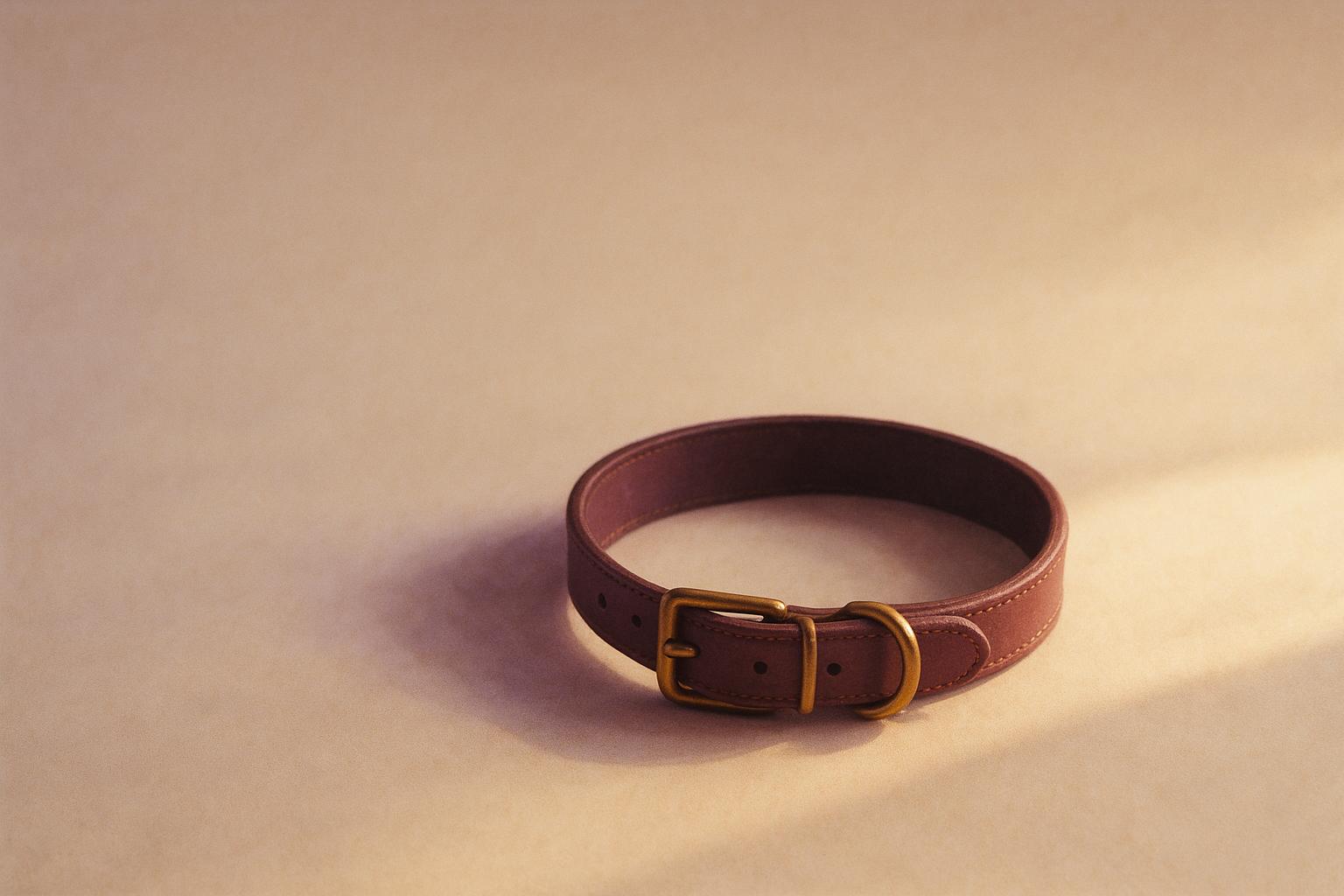
Dog grief is real. Learn what to do in the first week after your dog dies: cope with guilt, care for yourself, and honor their memory.
How-to14 min read
Losing a dog is deeply painful. The first week can feel overwhelming, but there are ways to navigate this tough time:
Acknowledge Your Grief: Your emotions - sadness, anger, guilt - are normal. Don’t suppress them.
Take Care of Yourself: Eat small meals, stay hydrated, rest, and try gentle activities like walking.
Honor Your Dog: Create a memorial, keep a memory box, or write a letter to your dog.
Seek Support: Talk to friends, join a pet loss group, or consider professional counseling if needed.
Express Your Feelings: Journaling or sharing stories about your dog can help you process your loss.
Healing takes time, and it’s okay to grieve at your own pace. Be kind to yourself and focus on small steps toward recovery.
Grief over pet loss: how to cope and deal with guilt
Allow Yourself to Feel Your Grief
The first week after losing your dog can feel like an emotional tidal wave. Your grief is valid, and it matters.
The loss of a dog can be just as heartbreaking as losing a human family member. Dogs are more than pets - they’re daily sources of love, comfort, and companionship. When they’re gone, the void they leave behind can feel unbearable [1][6].
How deeply you feel this loss often depends on your personality, your dog’s life stage, and the circumstances of their passing [5]. If your dog was with you through major life events or gave you comfort during tough times, their absence might feel even harder to bear.
Don’t try to suppress your feelings or rush through the grieving process. Telling yourself to “get over it” won’t help. In fact, avoiding your pain can stall your healing [5][7]. Facing your grief head-on is essential, no matter how painful it feels. Acknowledging the bond you shared helps you understand why this loss cuts so deeply.
Why Losing a Dog Hurts So Much
Dogs aren’t just animals - they’re family. They greet us with joy, love us without conditions, and provide comfort when we need it most. This creates a bond that’s as meaningful as any human relationship.
Your dog wasn’t just part of your home; they were part of your daily rhythm. Their absence isn’t just the loss of a pet - it’s the loss of companionship, routines, and a source of unconditional love.
Science backs this up. The human-animal bond is powerful, with dogs offering companionship, stress relief, and even a sense of purpose. Losing that connection is a genuine loss and deserves acknowledgment.
"Having very strong and profound feelings of grief after the loss of a pet is normal." - Linda Harper, Ph.D., Best Friends Animal Society [1]
Unfortunately, not everyone will understand your pain. You might hear comments like, "It was just a dog" or "You can always get another one." While often meant to comfort, these remarks can dismiss the depth of your loss. Your relationship with your dog was one-of-a-kind, and your grief reflects the bond you shared.
Normal Emotional and Physical Reactions
Grief isn’t a straight line. It can come in stages - denial, anger, guilt, depression, and acceptance - or it might hit you in waves, sometimes unexpectedly [5]. During the first week, these waves can feel especially intense, but they’re a natural part of mourning.
Emotionally, you might feel overwhelming sadness that brings tears at unexpected moments. Guilt might creep in as you replay your dog’s final days, wondering if you could have done more. Anger can surface - at the situation, the vet, or even your dog for leaving you. Anxiety about life without your companion or a sense of numbness may also arise [1][6]. Every emotion is valid. There’s no “right” way to grieve, and you should never feel ashamed of what you’re feeling.
Grief can also take a toll physically. You might feel drained, even after sleeping, or struggle to focus on simple tasks. Some people experience physical symptoms like tightness in the chest or stomach pain. These are normal responses to emotional trauma [2].
Even years later, certain triggers - a familiar song, a scent, or the anniversary of your dog’s passing - can bring back waves of grief [5]. This doesn’t mean you’re stuck or not healing; it’s a sign of the enduring love you have for your dog.
In August 2026, Westerville Veterinary Clinic highlighted the importance of acknowledging grief and sharing your feelings. They emphasized that bottling up emotions can delay the healing process [7]. The key is to let yourself feel whatever emotions come up, without judgment.
When the pain feels overwhelming, it’s okay to take a break. Go for a walk, call a friend, or do something that brings you comfort [1][6]. But don’t avoid your grief entirely. Allow yourself to cry, to feel sad, and to miss your dog deeply. This is how the healing begins.
Take Care of Your Physical Needs
Grief can make even the simplest acts of self-care - like eating, showering, or getting out of bed - feel like monumental tasks. But neglecting these basic needs often amplifies both physical and emotional pain.
Losing a dog takes a toll on your body. You might feel drained, even after a full night's sleep, or struggle with focus, appetite, and weight changes [7]. The stress of this loss can sap your energy and leave you feeling emotionally raw [5].
Maintain Basic Self-Care Habits
Start small. Even if you're not hungry, try to eat small, comforting meals. Every bite helps [1].
Stay hydrated by sipping water throughout the day - dehydration can make fatigue and mental fog worse [2]. Sleep is just as important. If nighttime rest is elusive, allow yourself to nap during the day [1].
"Allow yourself to practice self-care: eat something, drink some water, try to sleep, go outside for some fresh air, and cry as much as you need to." - Family Pet Cremations [2]
Spending even a few minutes outside or taking a gentle walk can help boost your mood, thanks to the release of endorphins [2][5]. If you have other pets, sticking to their routine can provide a comforting sense of structure and purpose [3].
Connecting with supportive friends or family members can also offer emotional relief. And when you need a break, consider activities like reading, watching a favorite movie, or listening to music to help you unwind [7].
"You are the one in pain now, and you must lovingly care for yourself." - Humane World for Animals [3]
Be kind to yourself. If household chores pile up, let them. Your focus should be on meeting your essential needs right now. When basic care feels insufficient, adjust your daily responsibilities to allow more time for recovery.
Take Time Off When You Need It
Managing your schedule is just as important as self-care during this period.
If you’re working, think about taking a few days off. The first week after losing a pet can make it tough to concentrate, make decisions, or interact with others [1]. Not all workplaces recognize pet loss as a valid reason for time off, but if you have sick days, personal days, or vacation time, use them. You don’t need to share every detail - saying, "I'm dealing with a family loss and need a few days" is enough.
If extended time off isn’t possible, explore other options like working from home or adjusting your hours for added flexibility. Cancel or reschedule non-essential plans to give yourself breathing room [2].
"Give yourself what you need: comfort food, naps, quiet time, a day off, time with friends." - Best Friends Animal Society [1]
If you find it hard to eat, sleep, or manage daily tasks, consider reaching out to a doctor or mental health professional [5]. Taking time off isn’t about avoiding responsibilities - it’s about acknowledging that you’re facing something deeply challenging. You can’t take care of others or meet obligations if you’re completely drained. Right now, replenishing your energy is a priority, not a luxury.
Create Memorials and Rituals to Honor Your Dog
Memorials and rituals are a heartfelt way to honor your dog's memory, turning the pain of loss into a celebration of the love and joy they brought into your life. These gestures help bridge the gap between grief and the cherished memories you’ll carry forever.
Set Up a Memorial or Tribute
Creating a tribute to your dog can bring comfort and serve as a lasting reminder of their presence. A memory box is a simple yet meaningful option. Fill it with items like their collar, leash, favorite toy, and photos. You can purchase keepsake boxes for around $23.19 or make one yourself [12][13].
Another idea is an in-home memorial. Arrange photos of your dog alongside a candle and fresh flowers. Lighting the candle during quiet moments can help you reflect on the good times you shared [8].
For an outdoor tribute, consider something like the Personalized Dog Memorial Stone – Paw Prints On Hearts, which costs $89.99 and can be placed in your garden or yard [10].
Photo displays are another touching way to honor your dog. For example, the Rainbow Bridge – Pet Memorial Frame, priced at $23.99, provides a dedicated space for their picture [10].
Wearable keepsakes, such as a memorial locket, allow you to keep your dog close to your heart. The Loss Of Pet Memorial Locket Necklace, which holds a small photo, is available for $24.99 [11].
If your dog was cremated, you might incorporate their ashes into a special keepsake. A Memorial Glass Pendant requires only a small amount of ashes - about half a teaspoon - and can be worn as a personal tribute [15].
For a unique and personal touch, paw print keepsakes are a wonderful option. The Pearhead Paw Print Clean Touch Ink Pad Kit, highly rated by over 19,000 reviewers, costs just $5.59 and allows you to create a print you can frame or display [14].
Finally, you could commission an artist to create a drawing or painting of your dog, turning their memory into a lasting piece of art [13].
Once you’ve set up a memorial or keepsake, consider holding a ceremony to share your memories with loved ones.
Hold a Personal or Family Ceremony
A ceremony can be a meaningful way to say goodbye and find closure. It doesn’t need to be elaborate - what matters most is that it feels personal and genuine.
One simple idea is a candlelight ceremony. Light a candle in a quiet space and take time to reflect on your favorite memories. This can be done alone or with family members who shared a bond with your dog.
Sharing stories with others who knew your dog can also help ease feelings of isolation. Host a small gathering where friends and family can share their favorite memories. This sense of community can validate your grief and remind you of the joy your dog brought to everyone.
Visiting places that held meaning for you and your dog - like a favorite walking path, a park, or a cozy spot at home - can also help you honor their memory. Alternatively, writing a tribute in the form of a poem, story, or letter can be a deeply personal way to celebrate your dog's life. You can choose to share this during a ceremony or keep it private as part of your own healing process.
These memorials and rituals not only honor your dog's life but also help you transition from their physical absence to cherishing the love and memories that will always stay with you. The bond you shared endures, even as you carry it forward in a new way.
sbb-itb-4671d2f
Find Support from Communities and Resources
Grieving the loss of a pet can feel isolating, especially when others may not fully understand the depth of your pain. But you don't have to face it alone. There are communities, resources, and professionals ready to help you navigate this difficult time.
Join Pet Loss Support Groups
Pet loss support groups - both online and local - can offer a safe space for sharing your feelings and finding comfort. Online groups often provide free chat rooms and message boards, allowing you to connect with others from the privacy of your home. Local groups, on the other hand, may meet in person and are often organized by veterinary hospitals, animal shelters, or grief counseling centers.
If you're not sure where to start, ask your veterinarian if they know of any pet loss groups nearby. Veterinary schools also sometimes host free sessions led by trained counselors. Whether you prefer virtual or in-person support, choose the option that feels right for you.
When to Seek Professional Counseling
Sometimes, group support may not be enough to address the intensity of your grief. It's important to consider professional counseling if your feelings of loss become overwhelming or start interfering with your daily life. Persistent hopelessness, difficulty managing everyday tasks, or physical symptoms like chest pain, severe headaches, or ongoing digestive issues could indicate the need for additional help.
If you're experiencing thoughts of self-harm or feel life is unbearable without your dog, please seek immediate assistance by calling the 988 Suicide and Crisis Lifeline, available 24/7.
Counselors who specialize in pet loss understand the profound connection you had with your dog. They focus on helping you process your emotions and develop healthy coping strategies, rather than offering dismissive advice like "just get another pet." Many therapists now offer telehealth sessions, making it easier to access support. Check with your health insurance provider to see if grief counseling is covered, and ask your veterinarian for referrals to specialists in this area. Just as you care for your physical health, seeking professional support can play a vital role in your emotional recovery.
Books and Resources for Pet Loss
Reading about others' experiences can be a source of comfort and guidance during this time. A memoir worth exploring is To Lose A Dog by Isaac H. This deeply personal account offers insights on coping with pet loss, making end-of-life decisions, and managing grief. The hardcover edition is available for pre-order at $22 and includes access to a private grief support community. It is expected to ship in Q1 2026.
Write and Talk About Your Dog
Expressing your feelings - whether through writing or talking - can be an important part of healing after losing your dog. Putting emotions into words helps you process the intense feelings of the first few days, while also creating a meaningful way to honor your dog's memory.
Journal About Your Dog's Life
Journaling offers a private space to pour out your thoughts without fear of judgment. Writing can ease heavy emotions and provide clarity during a difficult time [2]. Let your thoughts flow freely onto the page.
Some people find comfort in writing a letter to their dog, expressing the words they can no longer say out loud [3][9]. Pet loss grief counselor Elizabeth Shapiro suggests:
"Journal, write letters to your pet, whatever feels soothing" [9]
This practice can feel like an ongoing conversation with your dog, offering a sense of connection and comfort as you navigate the early days of grief.
Another idea is to record your favorite memories. Write about the little quirks that made you smile, the adventures you shared, or the quiet moments of companionship. These reflections not only preserve your dog's memory but also remind you of the happiness they brought into your life [2]. Some people even choose to document their dog's life story or craft an obituary to celebrate their personality and the bond you shared.
Alexander Hardy, a writer and co-founder of a creative wellness agency, highlights the importance of creative expression:
"First of all, talking about it, writing about it if you can. Everyone's grieving in new and creative ways. And I just think finding a way that resonates with you – drawing, painting, sculpting – any kind of way you can, channel that energy" [4]
If journaling doesn’t feel like the right fit, consider other creative outlets like drawing, scrapbooking, or even creating a photo album to capture your favorite moments together.
Writing not only preserves cherished memories but also provides a space to process your emotions. Once you've written down your thoughts, sharing them with a trusted friend can deepen the healing process.
Share Your Feelings with Trusted Friends
While writing helps clarify your emotions, talking about them with someone you trust can be equally comforting. Sharing stories about your dog with close friends not only keeps their spirit alive but also provides the support you need during this time. Combining writing and conversation creates a well-rounded way to work through your grief.
Conclusion
The first week after losing your dog can be an incredibly tough time. Grief doesn’t follow a set path or timeline, and there’s no “right” way to feel. You might experience a mix of emotions - deep sadness, anger, guilt, or even brief moments of calm. And that’s okay. This is your personal journey, and it will look different from anyone else’s.
As Linda Harper, Ph.D., wisely advises:
"Give yourself some time and space. Be gentle with yourself. Take it a day at a time."
These words are a gentle reminder to approach this week with kindness toward yourself. Focus on the basics - make sure you’re eating, getting rest, and leaning on others for support when you need it. As discussed earlier, honoring your dog’s memory through small rituals or personal gestures can also bring comfort. Whether it’s creating a memorial, writing about your dog, talking with understanding friends, or joining a support group, these acts can help you process your feelings.
Healing doesn’t mean forgetting - it’s about finding a way to carry your dog’s memory in a way that brings you peace. This process takes time and won’t happen overnight. There will be easier days and harder ones, and both are part of the journey. Let your grief unfold naturally, step by step. With time and patience, you’ll find yourself in a place where you can look back on your dog’s life with love and gratitude.
FAQs
How can I cope with feeling guilty after my dog passes away?
It's natural to feel guilt after losing your dog. Those emotions often come from the deep love and bond you shared. Grief can make regrets feel heavier, but try to shift your focus to the joyful memories and the life you gave them, filled with care and affection.
If those feelings of guilt persist, take a moment to reflect on your intentions and all the ways you showed love. Activities like journaling, opening up to a close friend, or connecting with a pet loss support group can provide comfort and clarity. Remember to treat yourself with compassion - healing is a gradual process, and your dog would want you to find peace.
What are meaningful ways to remember and honor my dog after they pass?
Losing a cherished dog is one of life's toughest moments, but finding ways to honor their memory can offer a sense of solace. You might plant a tree in their honor, create a scrapbook filled with your favorite photos and stories, or put together a memory box with keepsakes like their collar, leash, or favorite toy. Some people choose to commission a custom painting, memorial stone, or other personalized items to celebrate the joy their dog brought into their lives.
Sharing your memories with others can also bring comfort. Writing an obituary or sharing photos and stories on social media can be a heartfelt way to highlight your dog's unique personality and the special bond you shared. Another meaningful gesture is donating to an animal charity or volunteering in their name, turning your love for them into support for other animals in need. These acts not only honor your dog but also create a lasting legacy of love and kindness.
How do I know if I should seek professional help for my grief?
If your grief feels like it's taking over and disrupting your daily life, it may be a good idea to think about reaching out for professional counseling. Some signs to watch for include ongoing sadness, trouble concentrating, noticeable changes in your sleep or eating habits, or feeling emotionally stuck for a long time.
Connecting with a therapist or counselor who focuses on grief can offer you practical tools and a safe space to work through your loss. Seeking help isn't a sign of weakness - it's a step toward healing and can truly make a difference as you navigate this challenging time.
Frequently Asked Questions
Is it normal to feel physical symptoms like chest tightness or exhaustion after a dog dies?
Yes, grief is not only emotional — it places real stress on the body, and physical symptoms like fatigue, chest tightness, stomach pain, and difficulty concentrating are well-documented grief responses. These are signs that your nervous system is processing a significant loss, not signs that something is medically wrong, though persistent or severe symptoms always warrant a check-in with a doctor.
What do I do with my dog's belongings in the first week — should I put them away or leave them out?
There is no correct timeline: some people find comfort in leaving a dog's bed or toys in place during the first days, while others feel relief from quietly putting things aside. Let your own emotional response guide you rather than any rule about what looks like 'moving on,' and know that revisiting those belongings later — or never — is equally valid.
How do I explain to my workplace or employer why I need time off after losing my dog?
Most workplaces do not have formal bereavement leave for pets, so using sick days, personal days, or vacation time is usually the practical path. You are not obligated to share details — saying you are dealing with a family loss and need a few days is honest and sufficient, and framing it that way often avoids the dismissal that comes when people hear 'it was just a dog.'
How do I handle people who say 'it's just a dog' when I'm grieving?
Research on the human-animal bond confirms that the attachment people form with dogs can be as emotionally significant as bonds with human family members, which means that kind of dismissal, however well-intentioned, is simply factually wrong. You are not obligated to defend or justify your grief; it can help to lean into communities — support groups, books, or friends who have lost dogs — where that validation already exists.
Will the grief get easier, or does losing a dog stay this painful?
Grief rarely disappears on a clean schedule, and certain triggers — a familiar smell, an anniversary, an empty spot on the couch — can bring waves of sadness even months or years later; this is a normal feature of deep attachment, not a sign that healing has stalled. Most people find that the acute, destabilizing pain of the first week gradually becomes something more bearable, even if the love and the missing never fully go away.
Reserve the paperback at the pre-order price, with clear shipping and cancellation terms.
Pre-order price: $24.99 (save $5 off retail price)
First copies out of the print run, estimated to ship December 2026, shipped directly to you
Email updates on the book's progress until it reaches you
$24.99$29.99
Save $5
Charged today · Cancel any time before it ships
US shipping is $4.90. Other countries are calculated at checkout.
Estimated to ship December 2026US shipping is $4.90. Other countries are calculated at checkout.
Not today?
If the timing is wrong, or you are buying for someone who is not ready yet, leave your email. I will write once, when copies start shipping, and that is the only time you will hear from me.