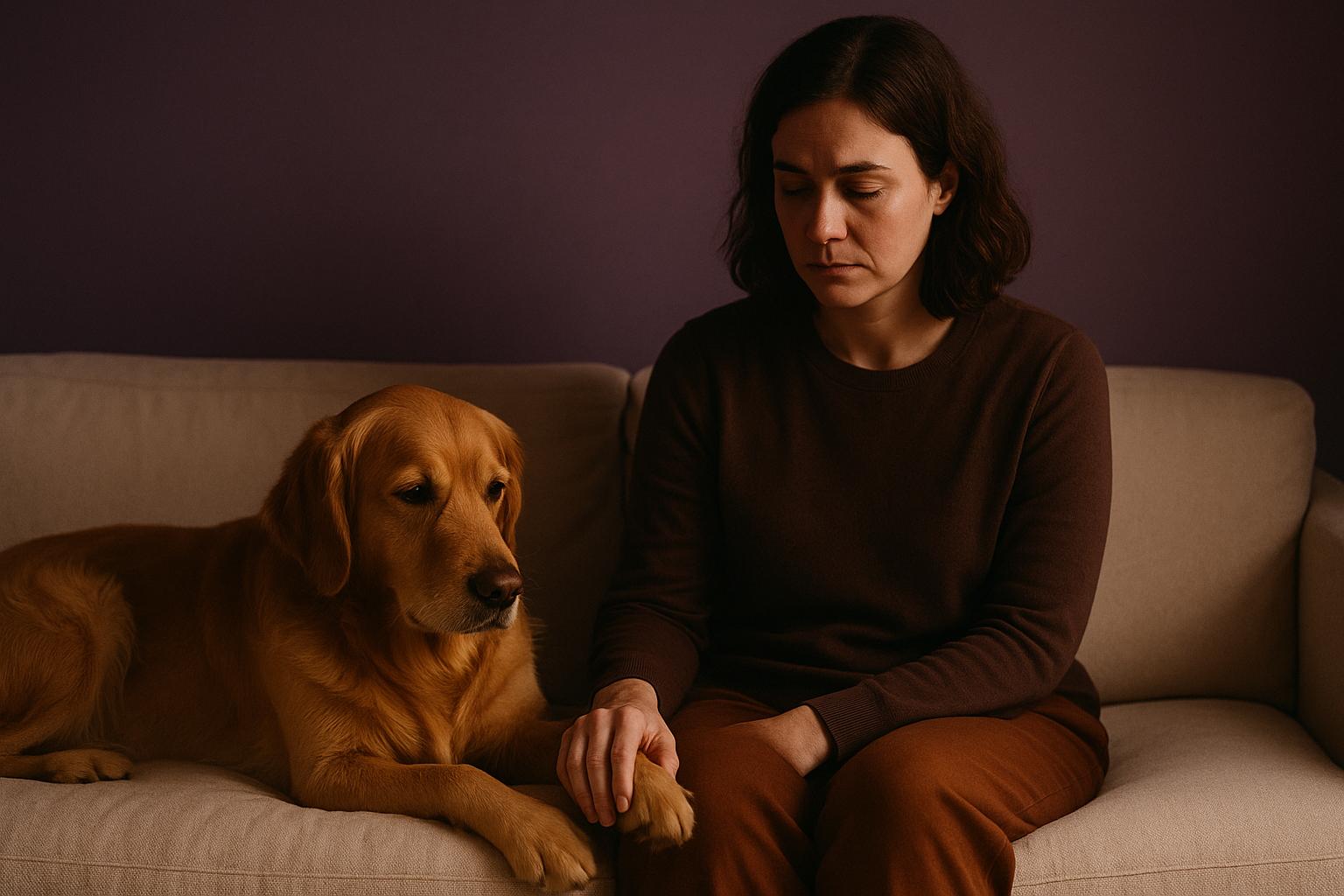
Society says pet grief should be quick and quiet. Science says otherwise. Explore the surprising reasons pet loss can feel as devastating as losing a human — and why your grief is valid.
Comparisons16 min read
Grieving a pet can be just as intense as grieving a person, but society often treats it differently. Pet grief is deeply personal, shaped by the unconditional love and daily routines pets bring into our lives. Unlike human loss, pet grief often lacks societal support, making it harder for people to process their emotions openly.
Key points to consider:
Emotional Impact: Pet grief mirrors human grief but includes unique challenges like guilt over euthanasia or disrupted routines.
Social Perception: Society often undervalues pet loss, offering little acknowledgment or formal support, unlike human grief.
Daily Life Changes: Pets are integral to daily habits, and their absence creates emotional and practical voids.
Coping Resources: Support groups, counseling, and books can help validate and process pet grief.
Aspect
Pet Grief
Human Grief
Emotional Intensity
Can feel overwhelming, sometimes unexpected
Universally recognized as life-altering
Guilt Sources
Medical decisions, euthanasia
Unresolved conflicts, things left unsaid
Social Validation
Often dismissed or minimized
Widely acknowledged and supported
Workplace Support
Rarely offers bereavement leave
Bereavement leave is typically available
Memorial Practices
Informal or private
Formal rituals like funerals or memorials
Both types of grief deserve understanding and support. Whether you're mourning a pet or a person, your feelings are valid, and resources are available to help you heal.
Why Pet Grief Hits Like Family Grief
Emotional and Psychological Responses
The deep connection between humans and animals brings about unique emotional challenges when a pet is lost. These feelings often differ from those experienced in other types of grief, both in how they manifest and how others perceive them. Understanding these emotional responses not only validates the pain of pet loss but also underscores why it deserves the same respect as any other form of mourning.
Range and Intensity of Emotions
Grieving the loss of a pet often mirrors the emotional stages of human grief - sadness, anger, denial, bargaining, and acceptance. However, some emotions stand out or take on a different weight in pet loss.
One of the most striking emotions is guilt. Pet owners frequently dwell on whether they made the right choices, from medical decisions to recognizing signs of illness. This feeling becomes even heavier in cases involving euthanasia, where the owner must make an irreversible decision about their pet's life. The burden of being directly responsible for such a choice can create a unique kind of emotional strain.
Loneliness also feels different in pet grief. Beyond emotional emptiness, the absence of a pet disrupts daily routines - no morning walks, no feeding schedules, no quiet companionship. These constant reminders amplify the sense of loss, making the loneliness feel more present and unrelenting.
Trauma can emerge in both human and pet grief, but the triggers often differ. In pet loss, it frequently stems from memories of medical struggles, witnessing suffering, or the euthanasia process. Many pet owners replay their pet's final moments, questioning whether they could have done something differently.
The depth of grief in pet loss can sometimes catch people off guard. Some individuals report feeling more devastated by the death of a pet than by the loss of certain human relationships. This intensity reflects the pure, uncomplicated nature of the bond shared with a pet - not a lack of value in human connections. Unfortunately, these deeply personal feelings often clash with societal expectations, as explored next.
Social and Societal Perceptions
A key difference between pet and human grief lies in how society acknowledges and supports these experiences. When someone loses a human loved one, there are established rituals like funerals, sympathy cards, and bereavement leave. These customs recognize the significance of the loss and provide space for mourning.
Pet loss, on the other hand, often lacks this framework. Many workplaces don’t offer bereavement leave for pets, and people may hesitate to ask for time off. Comments like "at least it wasn’t a person" can unintentionally belittle the grief and leave pet owners feeling isolated.
This lack of acknowledgment can complicate the healing process. When grief isn’t validated, people may suppress their emotions or feel ashamed of their pain. This phenomenon, known as "disenfranchised grief", occurs when a loss is not recognized as legitimate by society.
Without proper support, pet grief can become harder to navigate. People might avoid discussing their loss, skip personal memorials, or rush themselves to "move on" before they’re ready. Cultural attitudes also play a role. In some communities, pets are still seen more as property or working animals than family members, further minimizing the significance of their loss. However, as pets increasingly take on the role of family members in American households, these attitudes are gradually shifting.
Table: Emotional Responses Comparison
Aspect
Pet Grief
Human Grief
Emotional Intensity
Can feel equally overwhelming, sometimes unexpectedly
Universally recognized as life-altering
Primary Guilt Sources
Medical decisions, euthanasia, care quality
Unresolved conflicts, things left unsaid
Social Validation
Often dismissed or minimized
Widely acknowledged and supported
Workplace Support
Rarely offers bereavement leave
Bereavement leave is typically available
Loneliness Type
Tied to disrupted routines and daily habits
Rooted in shared memories and emotional voids
Memorial Practices
Private, informal, or skipped altogether
Formal rituals like funerals or memorials
Recovery Timeline
Often pressured to "move on" quickly
Generally given more time and patience
Support Resources
Limited availability of counseling or groups
Broader access to grief support systems
This comparison highlights how societal responses can shape the grieving process. While the internal emotions of grief may be similar, the lack of external support for pet loss often makes it harder to process and heal.
The Role of Relationships in Grief
Grief often mirrors the depth and nature of the bond that has been lost. When it comes to pets versus humans, these bonds differ in ways that can make losing a pet feel uniquely overwhelming. Understanding these differences sheds light on why the grieving process for pets takes on its own distinct shape.
Attachment and Dependency
The bond between pets and their owners often involves a level of dependency that sets it apart from most adult human relationships. Pets rely entirely on their owners - not just for food and shelter but also for emotional comfort. Unlike human relationships, where dependency is often mutual, the bond with a pet is largely one-directional. A dog isn’t worried about your work deadlines, and a cat isn’t fretting over household bills. Instead, they trust you completely for their care and survival while offering unwavering companionship in return. This simplicity can make the relationship feel pure and deeply fulfilling.
However, the caretaking role that comes with pet ownership can also amplify feelings of responsibility. After a pet passes away - especially after a long illness - owners may find themselves replaying decisions, wondering if they could have done more. This kind of second-guessing is often less pronounced in human grief, where the deceased typically had more autonomy over their own health and choices.
What makes pet loss even more poignant is the unconditional love pets provide. Unlike human relationships, which can sometimes be complicated by conflict or mixed emotions, pets offer steady, uncomplicated affection. Their absence creates a void that disrupts not only emotional connections but also the rhythms of daily life. This unique dynamic shapes the intensity of grief, as the loss is felt on both emotional and practical levels.
The Role of Pets in Daily Life
Pets often become a central part of daily routines, and their absence can profoundly alter the flow of everyday life. Mornings once filled with feeding rituals or playful greetings now feel empty. Evenings that used to end with a wagging tail at the door or a purring companion on the couch can turn into stark reminders of what’s missing.
Beyond routines, pets serve as emotional anchors. They provide comfort in stressful moments - whether it’s stroking a cat during a tough day or finding solace in a quiet walk with a dog. Losing this consistent source of connection can leave a noticeable gap in emotional stability. The absence of their comforting presence can even disrupt sleep, as many owners grow accustomed to the warmth or rhythmic breathing of a pet nearby.
The reminders of loss don’t stop there. Familiar spots in the home, cherished toys, or even the quiet corners where pets once lounged can become emotional triggers. Everyday objects that once symbolized shared moments now highlight the absence.
There’s also a social dimension to pet ownership that adds another layer to grief. Places like dog parks, veterinary clinics, or pet-friendly neighborhoods become bittersweet reminders of the life you shared with your pet. These spaces, once filled with joy and connection, can now feel heavy with the weight of loss. At the same time, they can also provide a sense of community, as others who’ve experienced similar losses often gather there, offering mutual understanding and support.
sbb-itb-4671d2f
What Makes Pet Loss Different
When we lose a pet, the experience can feel profoundly different from losing a human loved one. Unlike human loss, which often comes with shared rituals and societal acknowledgment, grieving a pet is deeply personal and often marked by private memorials and ongoing reminders. This unique kind of grief can leave pet owners feeling isolated, navigating emotions that are rarely discussed openly.
Euthanasia and Its Emotional Weight
One of the most challenging aspects of pet loss is the responsibility many owners face in deciding when and how their pet will pass. Unlike most human losses, where such decisions are rarely in our hands, pet owners often bear the burden of choosing euthanasia. This responsibility creates a mix of emotions that can be both overwhelming and unique to pet grief.
Opting for euthanasia, even when it’s the most compassionate choice, often stirs up feelings of guilt and second-guessing. Owners may wrestle with questions like, "Did I make the right call?" or "Could I have done more?" These doubts are amplified by the deep emotional bonds people share with their pets.
However, euthanasia can also bring a sense of relief. Knowing a beloved pet is no longer in pain or that the uncertainty of a prolonged illness has ended can bring comfort. Yet, this relief often comes with its own layer of guilt - grieving pet owners may feel conflicted about experiencing any positive emotions so soon after their loss.
The timing of euthanasia adds another layer of complexity. Unlike sudden human deaths, euthanasia is usually planned, leading to anticipatory grief. Pet owners live with the knowledge that their companion's time is limited, often spending days or weeks preparing for the inevitable. This period can be emotionally draining, as they try to make their pet’s final moments as meaningful as possible while carrying the weight of the upcoming loss.
Whether the procedure takes place at home or in a clinic, the scheduled nature of euthanasia can leave little room for gradual acceptance. The rapidity of the event often amplifies the emotional shock, leaving owners to process their grief in the aftermath. For many, the journey of coping involves finding ways to preserve their bond with their pet long after they’re gone.
Keeping the Connection Alive
While the decision to say goodbye is a pivotal moment, the ways in which pet owners maintain their connection to a lost pet often linger far beyond that point. Unlike human grief, which is often supported by shared rituals, pet grief tends to be more personal and private. This difference shapes how people continue to honor their pets.
Pet memorials are often intimate and woven into daily life. For example, a pet’s favorite sleeping spot might become a quiet shrine, or their collar might remain hanging by the door as a reminder of their presence. These small gestures allow owners to keep their pets close in spirit.
Behavioral habits also persist in surprising ways. Many pet owners find themselves listening for familiar sounds - the jingle of a collar, the scratch at the door, or the soft padding of paws on the floor. Some might even continue buying their pet’s favorite treats out of habit or avoid walking past the pet store where they used to shop together.
Sensory memories play a powerful role in keeping the connection alive. The softness of fur, the warmth of a pet curled up nearby, or the comforting sound of a purr can evoke vivid reminders of the bond shared. Some owners even describe experiencing phantom sensations, like feeling their pet’s presence on the bed or brushing against their legs.
Rituals around a pet’s belongings are another way people maintain the bond. Unlike with human possessions, which are often sorted and distributed relatively quickly, pet items tend to stay untouched for a long time. Food bowls might remain in place, toys left scattered around, and beds kept exactly as they were - a quiet testament to the pet’s enduring presence in the home.
For some, adopting a new pet or volunteering with animals becomes a way to honor the memory of their lost companion. While no new pet can replace the one who has passed, caring for another animal can help channel the love and connection that remain. This approach is unique to pet grief, as "replacing" a lost person isn’t an option in human loss.
The grief of losing a pet is often a private journey. Society doesn’t always recognize or validate these ongoing connections, leaving pet owners to grieve in isolation. This lack of understanding can make the bond feel even more personal, as owners cherish their memories in ways that may not be shared or fully understood by others.
Practical Tools and Resources for Pet Grief
Coping with the loss of a beloved pet can feel overwhelming. Thankfully, there are resources designed specifically to honor the special bond between humans and their animal companions.
Support Groups and Counseling
Pet loss support groups offer a safe space to share your grief and connect with others who understand the unique connection between pets and their owners.
Organizations like Lap of Love provide virtual support groups at no cost, led by trained coaches. These groups often focus on specific aspects of pet loss, helping participants develop coping strategies in an intimate, understanding environment [1]. Similarly, the Association for Pet Loss and Bereavement (APLB) hosts online chat rooms where grieving pet parents can share their experiences with professional hosts. Their free Bronze membership includes access to these chat rooms, while upgraded memberships offer additional features like video support groups [2]. PetCloud also holds free online pet loss support sessions every Sunday [3].
Veterinary schools, such as Tufts, Cornell, and Michigan State, offer pet loss hotlines and support groups led by veterinary social workers. These programs use a "companioning" approach, which emphasizes walking alongside grievers rather than treating them as patients.
For those seeking one-on-one support, Lap of Love offers 50-minute private sessions for $55 [1]. Additionally, local veterinary hospitals like DoveLewis and Massachusetts Veterinary Referral Hospital provide free grief support groups and even memorial workshops to help pet owners process their loss [4][5].
If your grief feels overwhelming to the point of affecting your daily life or leading to thoughts of self-harm, it’s crucial to seek professional help. National crisis lifelines like 988 or the National Alliance on Mental Illness (NAMI) can provide immediate support. Pet loss services can also connect you with licensed mental health professionals if clinical intervention is necessary.
For those looking for personal guidance, books and memoirs can offer comfort and practical advice.
Books and Memoirs for Guidance
Books about pet loss provide a unique form of solace, validating the grief that often feels misunderstood by society.
Betty Carmack’s Grieving the Death of a Pet reminds readers that grieving a pet is just as significant as mourning a human loved one [6]. Lorri A. Greene’s Saying Good-Bye to the Pet You Love offers strategies tailored to the deep connection between humans and their pets [6].
Memoirs can also be a powerful source of support, blending personal stories with practical advice. For example, To Lose A Dog by Isaac H shares the heartfelt journey of his bond with an English Bulldog named Franki. Alongside the emotional narrative, the book provides science-based insights on pet care, grief, and end-of-life decisions.
Many pet loss books address specific challenges, like making euthanasia decisions, understanding concepts of a pet afterlife, or helping other pets in the home adjust to the loss. Some are even designed for mental health professionals, highlighting the specialized care required to support grieving pet owners [6].
These literary resources not only validate your grief but also offer a private, reflective way to navigate your emotions and find comfort.
Building a Supportive Community
Connecting with others who’ve experienced pet loss can be just as healing as formal counseling. The shared understanding of loving and losing a pet creates a unique bond that transcends typical social boundaries.
Online communities provide opportunities for peer support through guided sessions and shared memorial activities. For example, Lap of Love’s virtual groups focus on developing healthy coping skills while honoring your pet’s memory [1]. The APLB’s chat rooms and forums allow for ongoing conversations facilitated by professional hosts, offering support at any time of day [2].
Memorial activities within these communities further enhance the healing process. Many groups offer shared memorial pages where members can post photos, stories, and tributes to their pets. Virtual candle-lighting ceremonies and guided journaling exercises are other ways to process emotions and create meaningful moments of remembrance.
Some groups cater to specific situations, such as sudden loss, prolonged illness, or households with multiple pets. These focused communities provide an intimate space to share challenges with others who’ve been through similar experiences.
Local connections are equally important. Many veterinary hospitals host in-person support groups or memorial workshops. For example, DoveLewis offers free Memorial Art Workshops, combining creative expression with community connection [4]. Similarly, Massachusetts Veterinary Referral Hospital provides virtual support groups that foster local networks even in online settings [5].
The goal of these communities isn’t to replace your lost pet or rush the grieving process. Instead, they provide understanding, validation, and a sense of connection during one of life’s most difficult journeys. Pet grief is real, and it deserves the care and support these resources offer.
Conclusion: Recognizing and Validating All Forms of Grief
Grieving a loss - whether it's for a cherished pet or a human loved one - follows a similar emotional path while presenting its own distinct challenges. Both experiences stir profound emotions, disrupt daily life, and require time, patience, and understanding to process. Let’s take a closer look at these differences and the unique support each type of grief might call for.
Grieving a pet comes with its own set of challenges that are often overlooked. Pets offer unwavering companionship and unconditional love, forming bonds that are deeply rooted in daily life. The added emotional weight of making end-of-life decisions for them can be incredibly difficult and is a layer of grief not typically encountered in human loss. On the other hand, human grief, while more openly acknowledged, brings its own complexities, including navigating societal expectations and support systems.
At the heart of it all, every loss is valid. The depth of your emotions isn’t measured by whether you’ve lost a person or a pet. The love and connection you shared - whether with a four-legged friend or a human family member - are equally meaningful.
As you move forward, consider finding support that aligns with your specific type of grief. For pet loss, resources like specialized support groups or books that honor the human-animal bond can be incredibly helpful. A great example is the memoir To Lose A Dog by Isaac H, which offers both validation and practical advice for navigating the journey of pet grief.
No matter what kind of loss you’re facing, healing happens at your own pace. The love you felt was real, and your loss is deeply personal. Your grief deserves acknowledgment, understanding, and the support you need to move toward healing.
FAQs
Why does society often overlook the grief of losing a pet?
Society often overlooks the depth of grief that comes with losing a pet, largely because the strong bond between humans and animals isn't always fully appreciated. This can lead to what's called disenfranchised grief - a type of mourning that isn't given the same recognition or support as the loss of a human loved one.
Misconceptions and societal norms often paint pets as easily replaceable or less important, which can make it difficult for someone to openly express their sorrow. Without acknowledgment or understanding, people grieving a pet may feel isolated or dismissed, even though the pain of such a loss can be just as intense as losing a human companion.
How can I cope with the guilt and pain of losing a pet, especially after euthanasia?
Coping with the loss of a pet, especially when euthanasia is part of the experience, can be deeply painful. Start by giving yourself permission to grieve. It's okay to feel a mix of emotions - sadness, guilt, even doubt. Remind yourself that choosing euthanasia is often a selfless choice made to spare your pet from unnecessary pain or suffering.
Hold onto the happy moments you shared with your pet. Celebrate the love and joy they brought into your life. Talking with people who understand - whether it’s friends, family, or members of a pet loss support group - can be comforting. They can provide a safe space to share your feelings without judgment. Writing in a journal or creating a special tribute, like a photo album or a memory box, can also help you honor your pet’s life and work through your grief.
How can employers support employees grieving the loss of a pet?
Employers can play an important role in supporting employees who are grieving the loss of a pet by offering empathy and understanding. Simple adjustments, like allowing time off, remote work options, or flexible schedules, can ease the burden and give employees the space they need to cope.
Providing resources such as pet loss support groups, counseling services, or grief-related materials can also be incredibly helpful. Even small gestures - like expressing sympathy or creating a space where employees feel comfortable sharing their feelings - can go a long way in building a compassionate workplace.
Recognizing the deep connection many people have with their pets shows employees that their emotions are respected, helping them feel valued during such a challenging time.
Frequently Asked Questions
Is it normal to feel more devastated by losing a dog than by losing some people?
Yes, and it makes complete sense. The bond with a dog is often uncomplicated, constant, and built into every hour of your day in a way most human relationships are not. The intensity of that grief reflects the purity of the connection, not a flaw in your feelings or a ranking of who mattered more.
What is disenfranchised grief and why does it make pet loss harder to heal from?
Disenfranchised grief happens when a loss isn't recognized as legitimate by the people around you, which is extremely common after losing a dog. Without that social acknowledgment, many people suppress their emotions, rush themselves to move on, or avoid talking about their dog at all, which tends to prolong the pain rather than ease it.
How do I know if the guilt I feel after choosing euthanasia is normal?
Guilt after euthanasia is one of the most common and least discussed parts of losing a dog, because you were the one who made an irreversible decision on their behalf. Most owners replay the timing and question whether they acted too soon or too late, even when the choice was clearly made out of love to end suffering.
What are some concrete ways to memorialize a dog when there's no formal funeral tradition?
Pet memorial practices tend to be personal rather than ceremonial, and that intimacy can actually be meaningful: keeping a collar in a specific spot, creating a photo book, writing down specific memories before they fade, or planting something living in a place the dog loved. The goal is to mark that the life mattered, on your own terms and timeline.
Where can I find grief support that specifically understands pet loss, not just general bereavement?
Resources focused on pet loss include Lap of Love's virtual support groups led by trained coaches, the Association for Pet Loss and Bereavement's online chat rooms with professional hosts, and pet loss hotlines run by veterinary schools such as Tufts, Cornell, and Michigan State, which use a companioning model rather than a clinical one.
Reserve the paperback at the pre-order price, with clear shipping and cancellation terms.
Pre-order price: $24.99 (save $5 off retail price)
First copies out of the print run, estimated to ship December 2026, shipped directly to you
Email updates on the book's progress until it reaches you
$24.99$29.99
Save $5
Charged today · Cancel any time before it ships
US shipping is $4.90. Other countries are calculated at checkout.
Estimated to ship December 2026US shipping is $4.90. Other countries are calculated at checkout.
Not today?
If the timing is wrong, or you are buying for someone who is not ready yet, leave your email. I will write once, when copies start shipping, and that is the only time you will hear from me.